
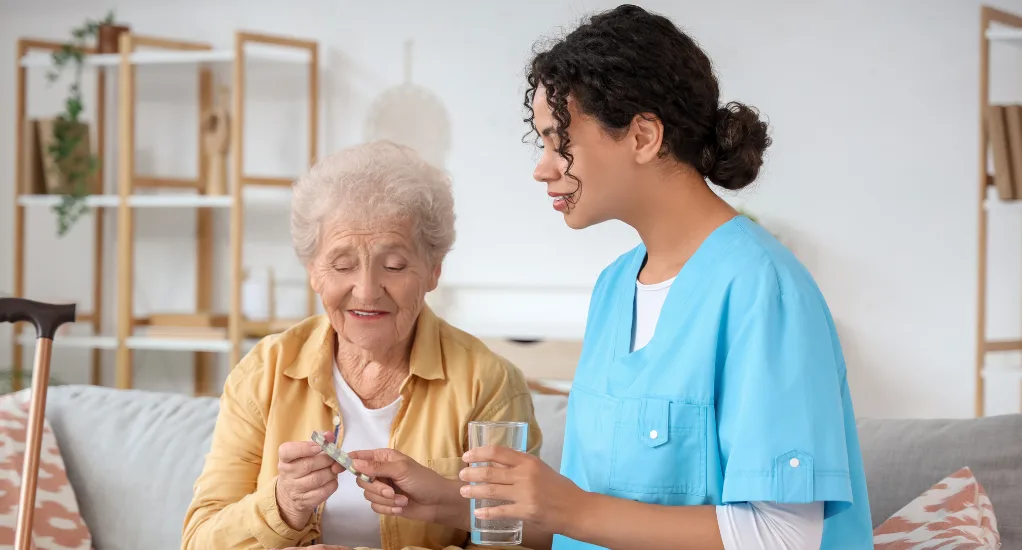
For many seniors in Indianapolis, ‘home’ is more than a place, it’s a repository of memories and the heart of their independence. The desire to age in place is strong, but safety is the foundation that makes it possible.
While falls are a leading cause of injury for older adults, the good news is that risk is largely preventable. With thoughtful, often simple modifications, you can dramatically reduce hazards and create a home that supports independence for years to come.
Here are 5 essential home safety upgrades to prioritize, turning concern into confidence.
1. Tame the Bathroom: Prevent Falls in the Highest-Risk Zone
The Risk: Slippery surfaces, low toilets, and lack of support make bathrooms the most dangerous room in the house for slips and falls.
The Essential Modifications:
-
Install Grab Bars: These are non-negotiable. Have them professionally installed in the shower/bathtub and next to the toilet. Crucial tip: Towel racks are not substitutes; they cannot bear body weight.
-
Add a Shower Chair & Handheld Showerhead: A sturdy shower chair allows for seated, stable bathing. A handheld showerhead makes rinsing easier and safer.
-
Use Non-Slip Mats: Place textured, non-slip mats inside the tub/shower and a water-absorbent rug with a non-slip backing outside it.
-
Raise the Toilet Seat: A raised toilet seat or a comfort-height toilet makes sitting down and standing up much easier on the joints.
Pro Tip: For a long-term solution, consider investing in a walk-in tub or a zero-threshold (curbless) shower to eliminate the need to step over a high ledge.
2. Light the Way: Ensure Clear Visibility
The Risk: Poor lighting leads to missteps, difficulty seeing obstacles, and increased confusion, especially at night.
The Essential Modifications:
-
Increase Wattage & Add Fixtures: Ensure all hallways, stairs, landings, and task areas (like kitchen counters and reading nooks) are brightly and evenly lit. Replace dim bulbs with brighter, energy efficient LEDs.
-
Install Night Lights: Use automatic, plug-in night lights in hallways, bedrooms, and bathrooms to create a safe path for nighttime trips without fumbling for switches.
-
Utilize Motion-Activated Lights: Install these in closets, pantries, garages, and at exterior doorways. They provide light exactly when and where it’s needed.
Pro Tip: Use color contrast to aid depth perception. A light switch plate on a dark wall, a dark colored toilet seat on a light toilet, or a contrasting colored strip on the edge of each step can make features much easier to see.
3. Clear the Path: Reduce Clutter and Tripping Hazards
The Risk: Loose rugs, electrical cords, clutter, and furniture obstacles are among the most common and preventable causes of falls at home.
The Essential Modifications:
-
Remove or Secure Throw Rugs: The safest option is to remove loose area rugs entirely. If you keep them, use a high-quality, non-slip rug pad or double-sided carpet tape to secure them firmly to the floor.
-
Tack Down Cords: Secure lamp, phone, and television cords along baseboards using cord concealers or tape. Never run cords across walking paths.
-
Declutter Walkways: Ensure a clear, wide path (at least 32 inches) through every room, with special attention to the routes from the bedroom to the bathroom.
-
Rearrange Furniture: Create clear pathways and ensure frequently used items (like a favorite chair, the TV remote, or daily medications) are within easy reach without needing to stretch or bend.
Pro Tip: Make a quarterly “home safety sweep” a family habit. Walk through each room with fresh eyes, looking for new clutter, loose carpet edges, or other emerging hazards.
4. Fortify Stairs and Entryways: Secure Transitions
The Risk: Falls on stairs can be devastating, and even a single step at an entryway can pose a significant tripping hazard.
The Essential Modifications:
-
Install Sturdy Handrails: Ensure stairs have handrails on BOTH sides. They should be securely mounted and extend several inches beyond the top and bottom steps.
-
Apply Non-Slip Treads: Add adhesive non-slip strips or replace worn carpeting on wooden or slippery steps to provide sure footing.
-
Ensure Good Stair Lighting: The staircase should be well-lit, with light switches accessible at both the top and bottom.
-
Install a Ramp or Zero Threshold Entry: For homes with steps at exterior doors, a permanent or modular ramp is essential for safe entry, especially for those using walkers or wheelchairs.
Pro Tip: If your loved one lives in a multi-level home and struggles with stairs, a stairlift or home elevator, while an investment, can be the key to preserving access to their entire home and maintaining their quality of life.
5. Create a Safe & Accessible Bedroom Sanctuary
The Risk: Difficulty getting in and out of bed, navigating in the dark, or reaching for help in an emergency can turn the bedroom into a place of anxiety rather than rest.
The Essential Modifications:
-
Adjust Bed Height: Ensure your loved one can sit on the edge of the bed with their feet flat on the floor. Use bed risers to raise it or consider a lower-profile bed frame to lower it. A bed rail can provide crucial leverage for sitting up.
-
Place a Sturdy Chair: Keep a stable, armchair in the bedroom for support while dressing.
-
Keep a Phone & Light Within Reach: A cordless phone or charged cell phone and an easy-to-use lamp or touch-light must be on the nightstand, eliminating the need to get out of bed in an emergency or the dark.
-
Ensure Clear Floor Space: Maintain ample space around the bed (at least 3 feet) for easy movement with a walker, cane, or for a caregiver to assist.
Pro Tip: A wearable medical alert system (a pendant or watch with a help button) provides an invaluable layer of security, offering immediate access to emergency services if a fall does occur, especially for those who spend time alone.
“The safest home is one designed not just for living, but for thriving independently.”
Beyond Modifications: The Living Layer of Safety
Even the most carefully modified home cannot eliminate all risks or the natural need for assistance with daily life. This is where compassionate, professional in-home care becomes the living layer of safety.
At Sovereign Care Services, our caregivers do more than provide companionship. They are an active part of the safety ecosystem:
-
They offer steadying assistance with mobility and transfers, directly preventing falls.
-
They help maintain the clear, clutter free environment you’ve worked hard to create.
-
They provide observant companionship, noticing subtle changes in balance, appetite, or mood that might signal a new health concern.
-
They safely assist with tasks that become risky, like changing overhead light bulbs, washing floors, or retrieving items from high shelves.
Think of it this way: Home modifications create a safe environment, while compassionate in-home care provides safe support within it.
Your Investment in Independence and Peace of Mind
Implementing these five modifications is one of the most caring and practical investments you can make in your loved one’s future. It’s an investment in their independence, their safety, and your family’s peace of mind.
Start small. Pick one or two priorities from this list to tackle this month. The goal isn’t perfection overnight, but consistent progress toward a safer, more confident life at home.